As Apple Celebrates 50 Years, Architectural Record Explores the Evolution of its Stores
A retrospective in Architectural Record’s April issue looks back at the evolution of Apple retail environments, from early flagships to the continual refinement of design elements over time.
"When Apple cofounder Steve Jobs debuted the iPod in 2001, he upended the music industry. That same year, Jobs opened the first stores, upending the retail landscape as well. The timing was opportune. With the iPod, the company was expanding beyond personal computers and into consumer electronics. Apple’s many minimalist mall shops, stores, and flagships, which today number over 500 worldwide, became reliable places to try out products for the first time, or trade up for something new."
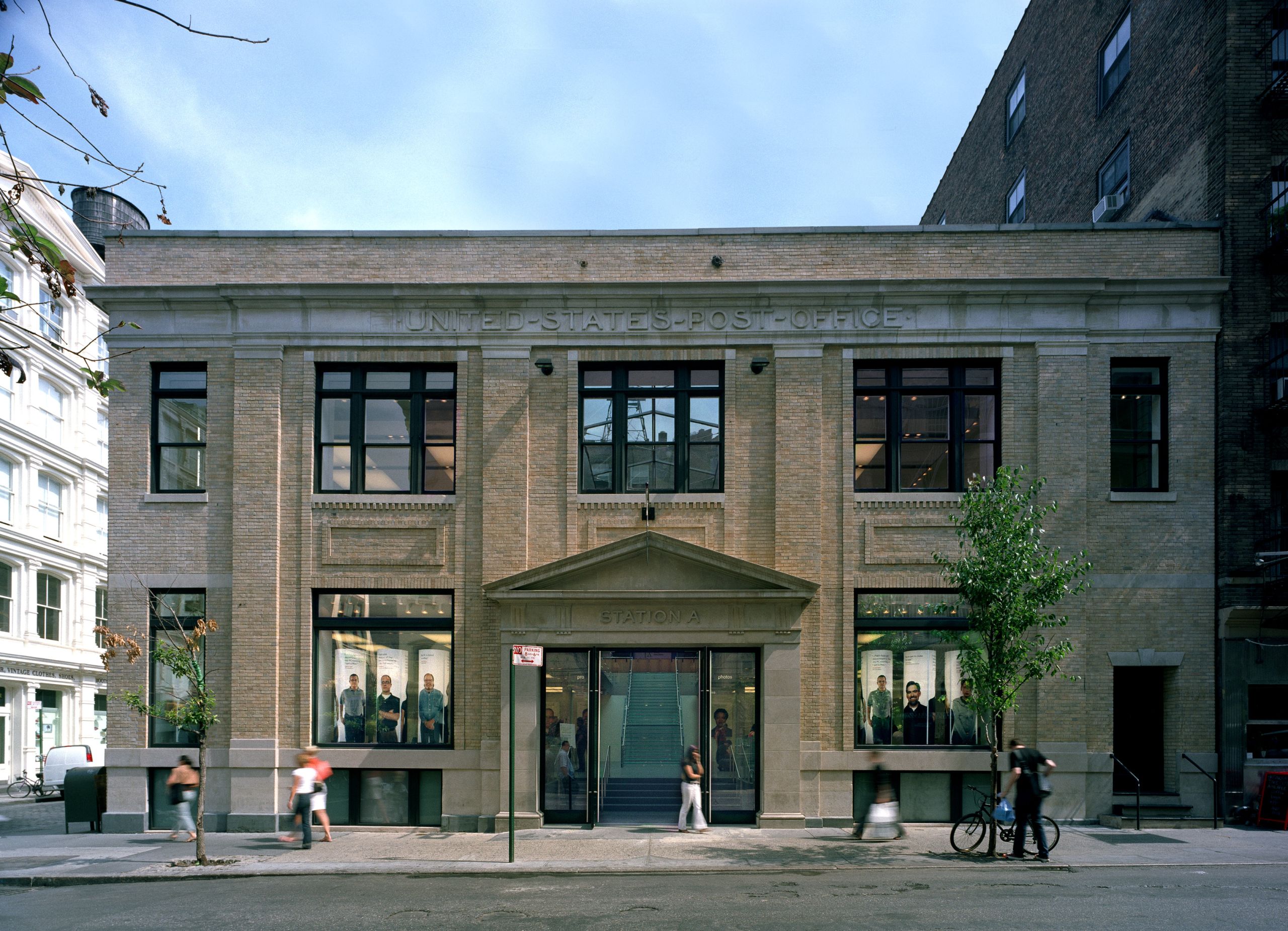
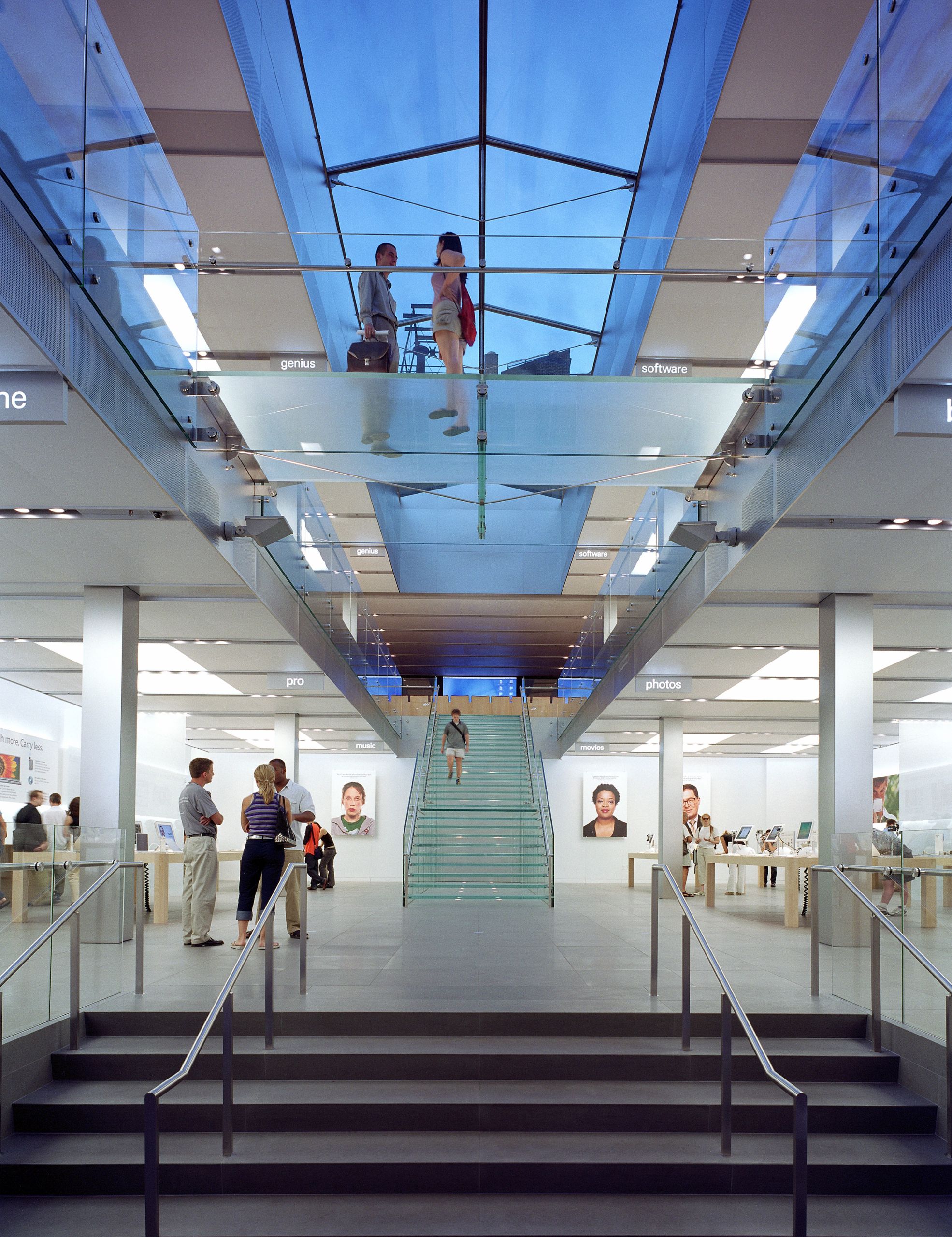
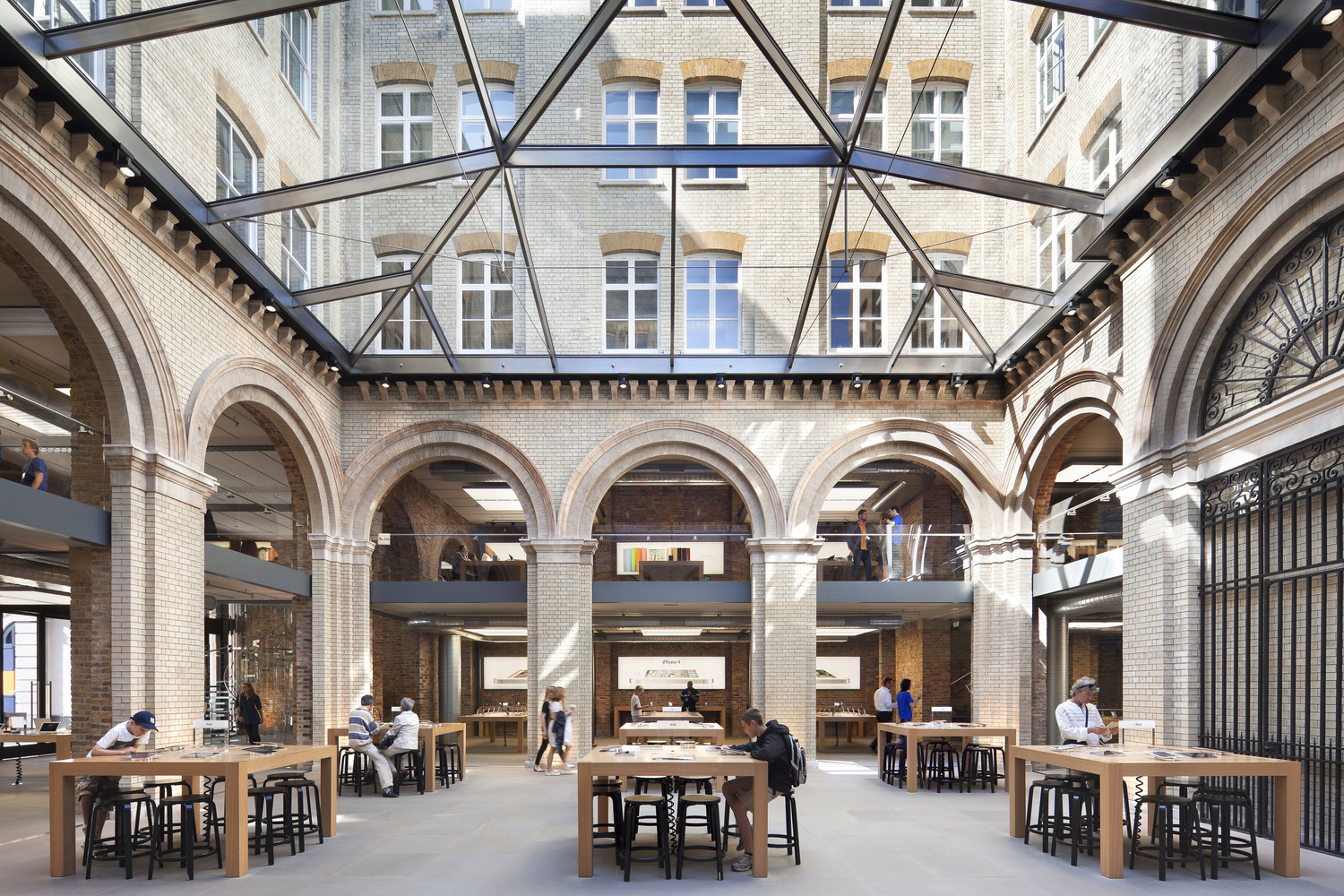
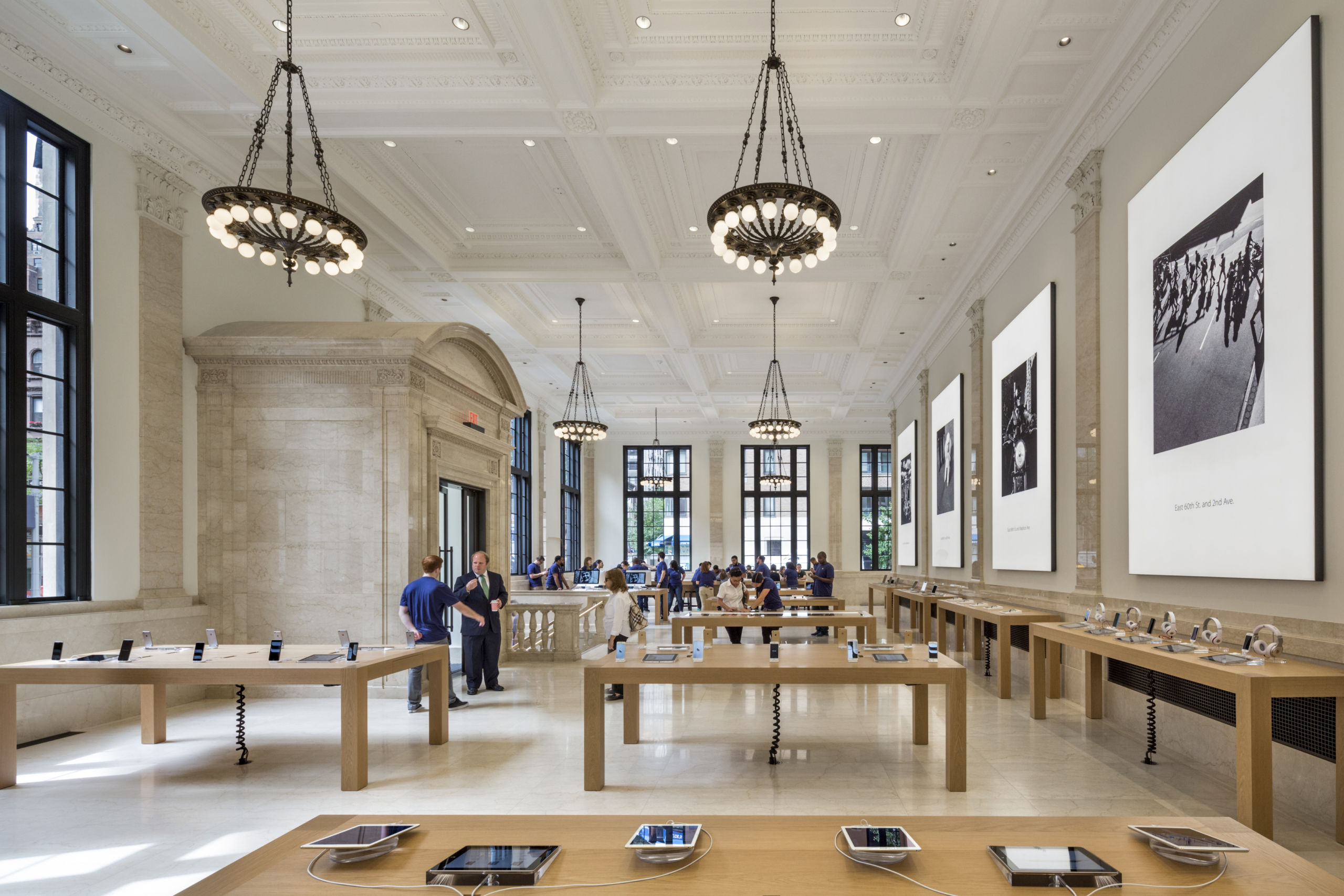
In a feature article to mark Apple’s 50th anniversary, editor Leopoldo Villardi examines “the design-minded tech powerhouse’s significant architectural output,” from material innovations to the enduring impact of its iconic stores around the world. Villardi writes about BCJ-designed flagship locations, including its SoHo store in Lower Manhattan, which transformed a neoclassical former post office building into a light-filled, two-story retail destination. As BCJ Principal Ray Calabro, FAIA noted about the store’s sleek, precise interiors, which would become a basis for future store design, “We were trying to elevate these relatively small objects to their greatest potential, allowing people to really focus on them.”
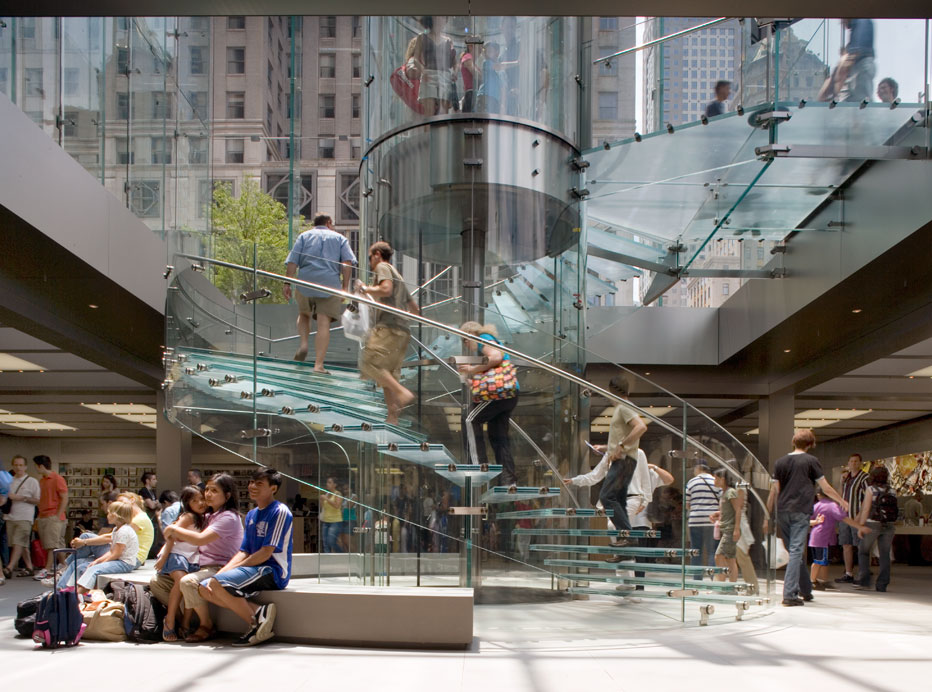
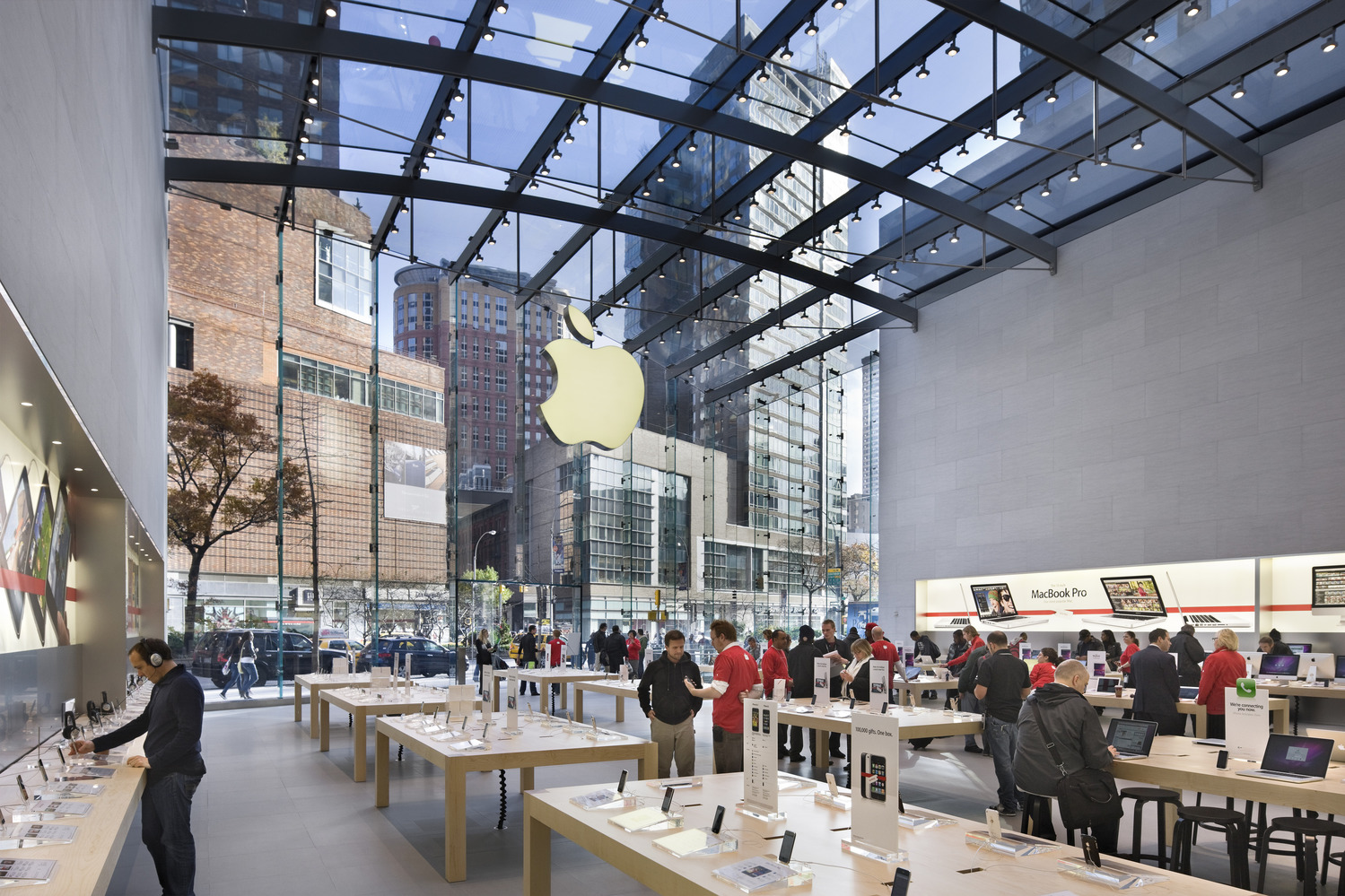
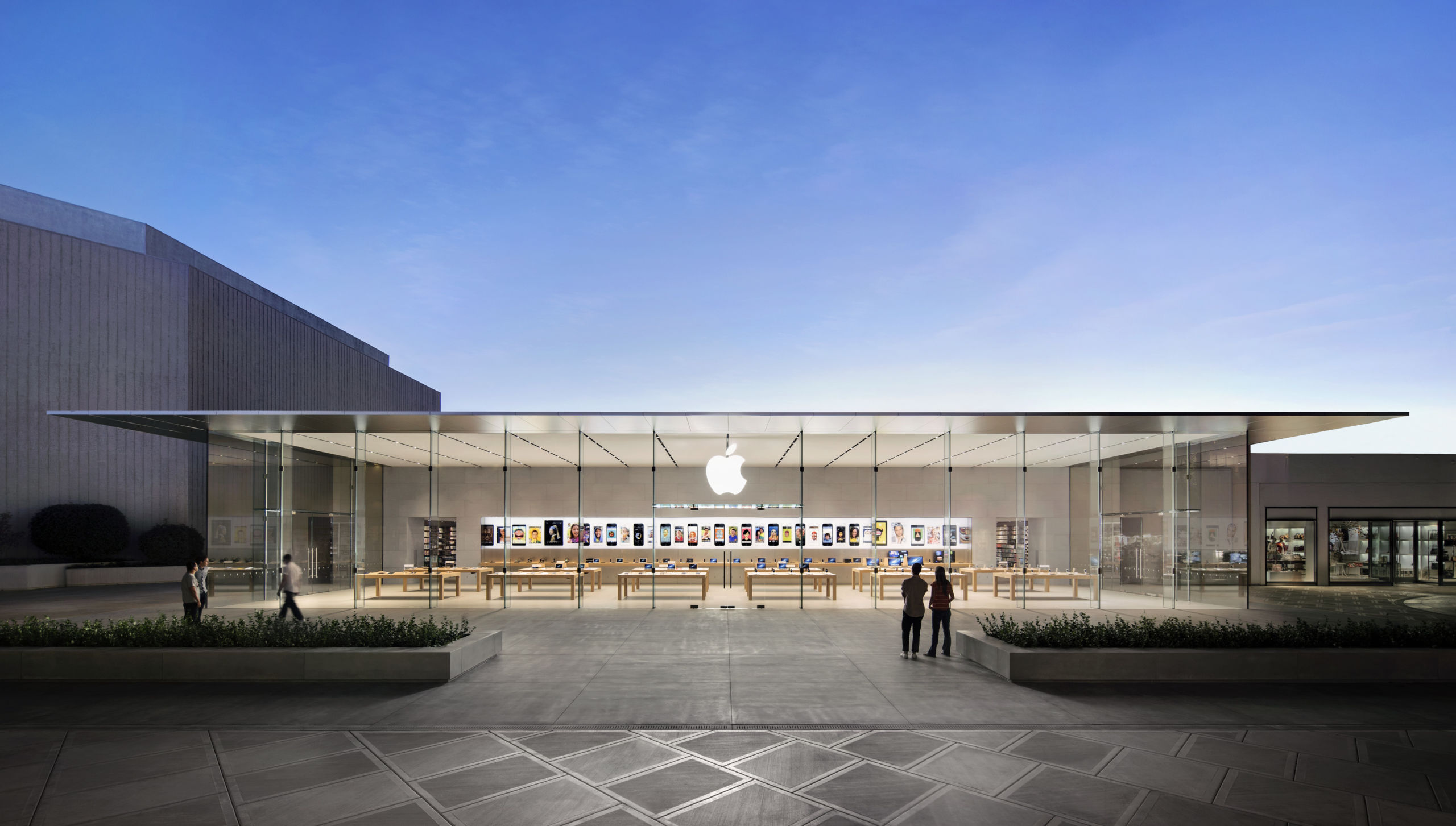
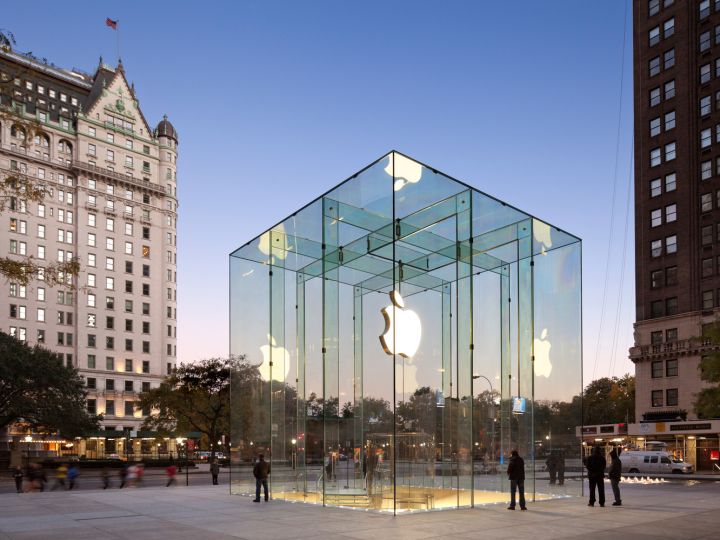
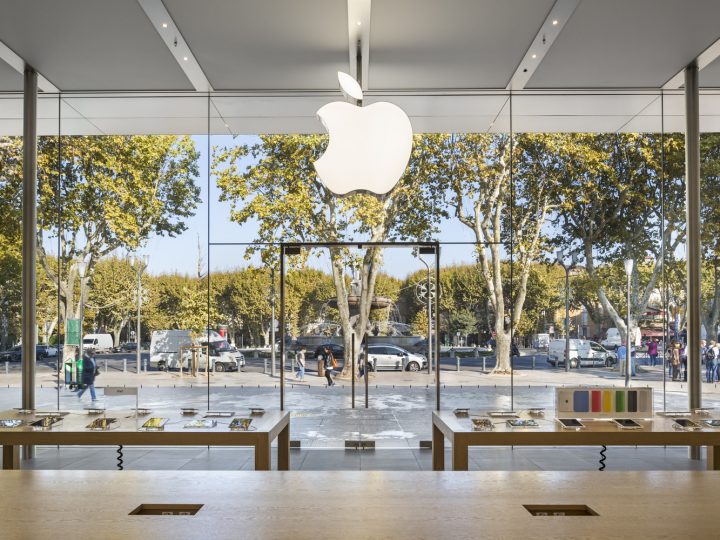
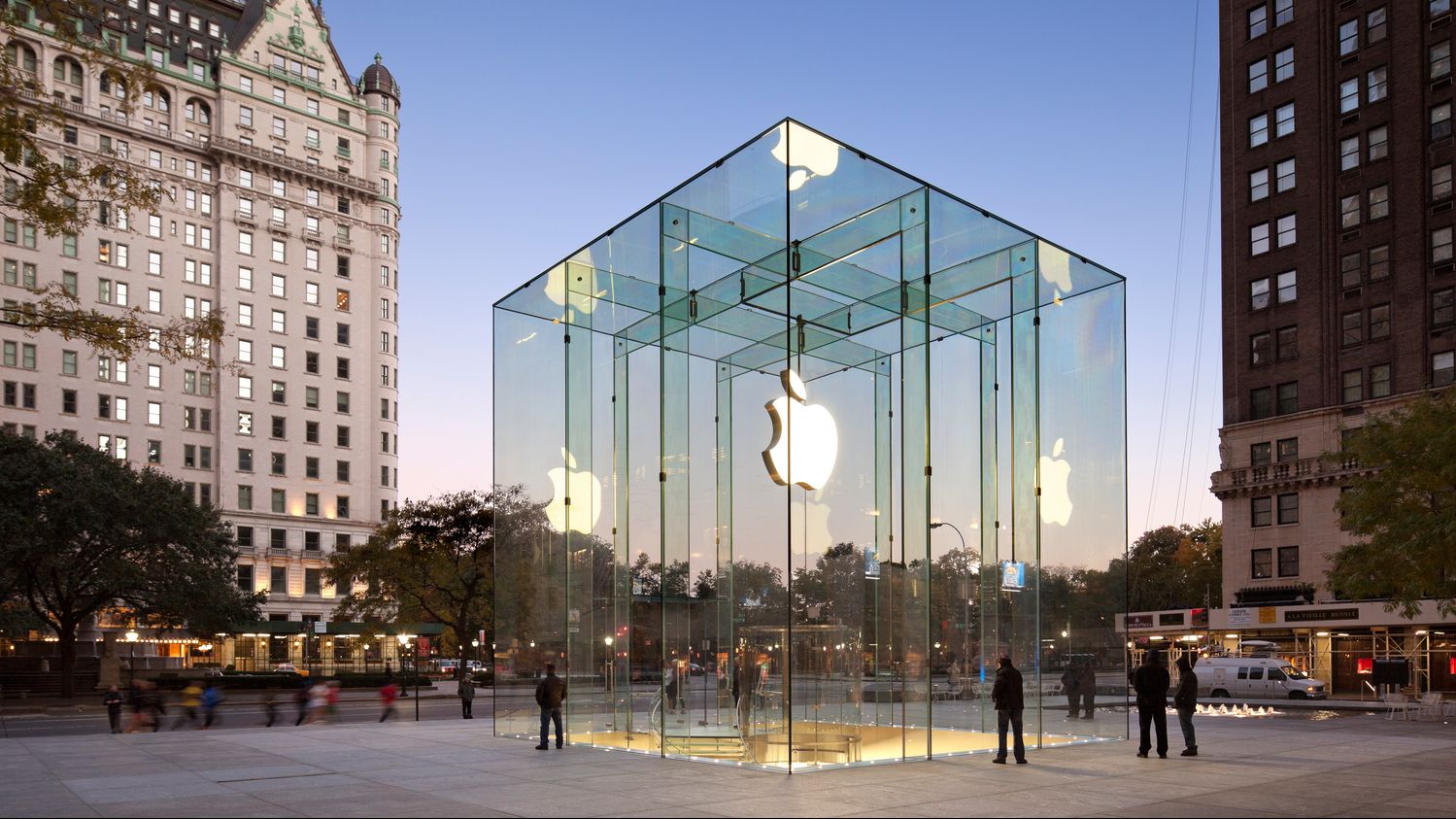
Villardi details the innovative use of glass in Apple stores, a material choice that “came to epitomize the company’s unending quest for perfection.” From the SoHo flagship to the iconic Fifth Avenue cube in New York, “perhaps the most recognizable retail location ever built,” and at subsequent locations around the world, Apple stores continually pushed the boundaries of what was possible with glass technology. As James O’Callaghan, cofounder of the structural engineering firm Eckersley O’Callaghan and a collaborator on many Apple stores adds, “Apple was interested in the material from an engineering perspective–where the boundaries were and what the possibilities were.”
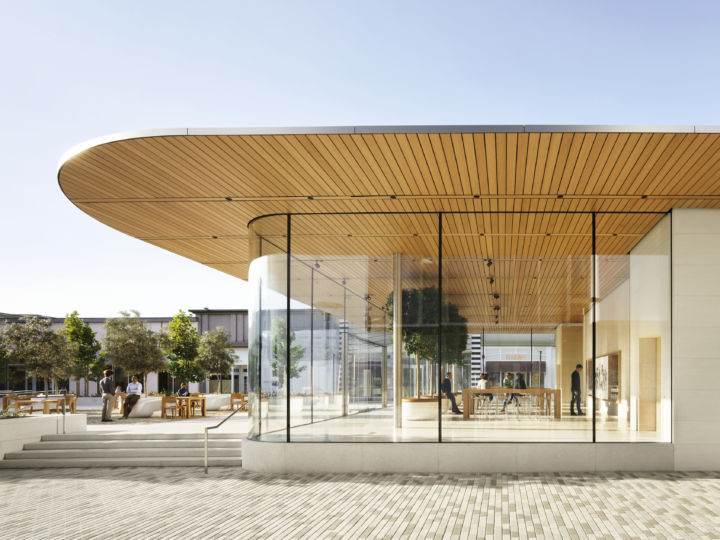
Across 20 years and 75 stores, our collaboration with Apple encompassed the restoration of historic structures, revitalization of urban sites, and creation of bold standalone retail environments. The evolution of store design around the world encouraged material innovation without individual locations losing their essence or connection to the Apple brand. As Villardi writes, “The architecture, too, tells a story about how the company shaped, and was shaped by, advances in building technology. Surely there are big and sweeping ideas here, but they all started somewhere–with refining a single, elegant detail.”